Seasonal buying · 7 min read
Karva Chauth and Diwali: what sarees and suits North Indian retailers stock
By Dinesh Chhabra, CEO, Vidhi Fabrics · Published · Updated
For Karva Chauth and Diwali, North Indian retailers lean on reds, maroons and deep festive shades, and add pastels and jewel tones for Diwali. Spread the range across everyday-festive, middle and statement price bands, judge the fabric feel on a physical sample, and stock sarees with unstitched suits so one order covers both festivals.
Karva Chauth and Diwali usually fall only a few weeks apart, and for many shops in Punjab, Haryana and Rajasthan they run together as one long festive season. The two festivals do not sell the same stock, though. This guide sets out how to plan for both — colours, fabric feel, the balance of sarees and suits, and price bands — so the picture is clear before you place the order.
Start with the occasion, not the catalogue
Karva Chauth is a day for married women, built around the fast, the evening puja and the moonrise. Most customers want something new to wear for it, often a saree or a suit in a traditional colour, and some buy as a gift within the family.
Diwali widens the brief. Customers are buying for family visits, pujas at home and at the shop, gifting and several days of going out, and they are often buying for more than one person. Plan the order in two layers: a focused Karva Chauth range that goes on display first, and a broader Diwali range behind it.
Colours: reds and maroons first, then a wider festive spread
For Karva Chauth, red is the anchor. Bridal red, maroon, wine, rani pink and orange-red are the shades most customers look for, and a rack without them looks unprepared. Keep a few deep greens and royal blues alongside for customers who want something festive that is not red.
Diwali takes a broader palette: mustard and marigold yellows, bottle green, royal blue, purple and magenta, often with gold, copper or silver work. Lighter pastels with festive detailing suit younger buyers and daytime visits. Spread the colours across designs rather than taking one design in every colour, so the display looks full without tying money up in shades that move slowly.
Reds are also the hardest shades to keep consistent. Check the sample in daylight and under your shop lights, record the shade or design code you approved, and order all the colours of one design together where you can, because separate lots of the same red can differ.
- Karva Chauth core: red, maroon, wine, rani pink, orange-red
- Diwali spread: yellows, bottle green, royal blue, purple, magenta
- A smaller run of pastels with festive work
- A shade or design code recorded for every approved colour
Feel the fabric before you trust the photograph
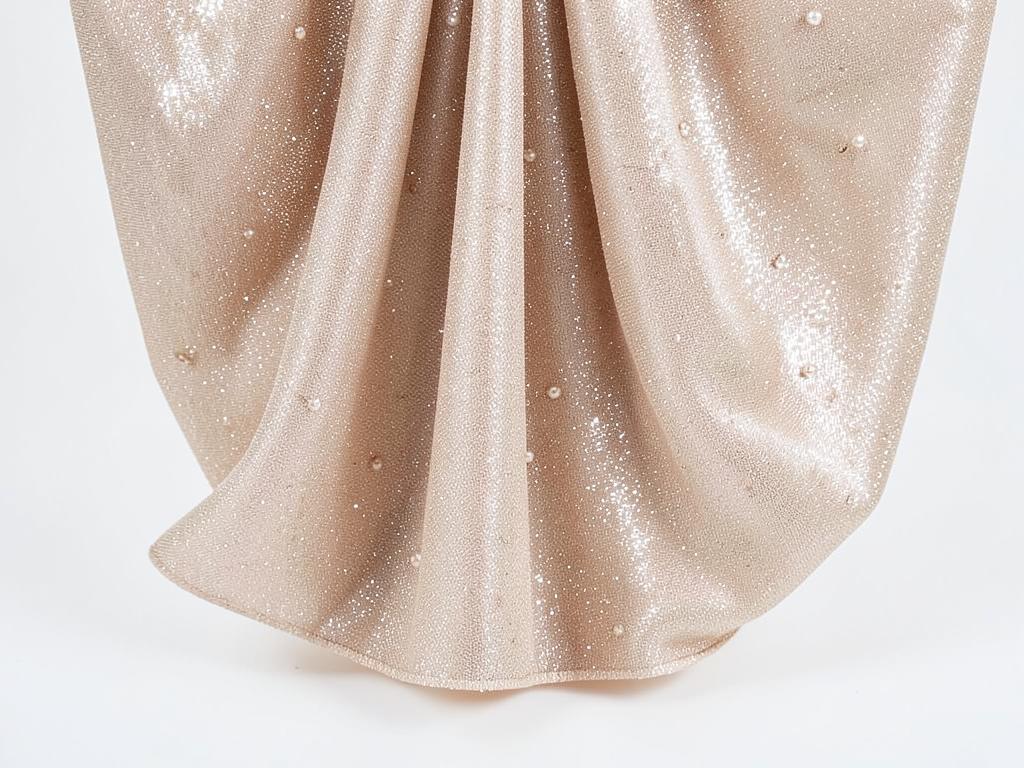
Festive polyester sarees sell on look and feel: a georgette or chiffon-style drape, a satin or silk-look sheen, or a heavier embroidered body. A photograph flattens all of this. Ask for a physical sample, or at least a short video shot in daylight, and judge the drape, the sheen, how see-through the body is and how much weight the work adds.
Weight is part of the answer but not all of it; our note on what GSM tells you explains why two sarees at the same weight can fall differently. Check the border and pallu finishing, whether a blouse piece is included and what it is made of, and whether the embroidery, sequins or zari look clean on the reverse.
For suits, check each piece on its own. The top, bottom and dupatta are often different fabrics, and in festive sets the dupatta frequently carries most of the work. Confirm whether the set is unstitched or semi-stitched, and that every piece in the photograph is part of the set.
Mix sarees and suits in one order
In much of Punjab and Haryana, the unstitched suit is as much a festive purchase as the saree, while many shops in Rajasthan lean towards sarees. The right balance comes from your own counter, so look at what sold last season before you set it. A single order that combines sarees with unstitched suits and dress material covers both festivals and keeps the display balanced.
Within each category, choose fewer designs in more colours rather than many designs in one colour each. A design that sells is easier to restock, customers find it easier to compare, and the display looks deliberate. Before you finalise the mix, ask how quantities work for your order — per design, per colour or across the set.
Catalogues for our festive polyester sarees and our dress material can both be shared on WhatsApp, so you can build the mix design by design. Boutiques and resellers can start from the Diwali and Karva Chauth wholesale page.
Spread the range across price bands
Festive customers do not all spend the same, and a range that sits at one price point loses customers at both ends. Think in three bands: an everyday-festive band for customers who want something new without a large spend, a middle band where most of the volume usually sits, and a smaller statement band with heavier work that anchors the display.
What separates the bands is usually the fabric, the work and the finishing rather than the design alone; our guide on why two similar-looking sarees can be priced differently shows what to compare. Ask for rates across all three bands in one conversation, so you can see the whole spread before you commit to any part of it.
Keep the statement band small. A few heavier pieces lift the whole rack; too many tie up stock that fewer customers buy.
Approve on the sample and keep a record
Festive stock is bought on detail — a shade of red, the weight of a border, the work on a dupatta — so approve on the physical sample, not the catalogue image. Record the design code, the colour and what you agreed, and ask how quantities and timing work for your order before you confirm it.
Our sample-to-bulk checklist covers each step in more detail. After the season, note which designs, colours and bands sold through and which did not. That record is the most useful thing you can bring to next year's festive order.
Before you place your festive order
Run through this list once the samples are in.
- Karva Chauth core colours covered: red, maroon, wine, rani pink
- Diwali colours spread across designs, not one design in every shade
- Feel, drape and sheen checked on a sample or a daylight video
- Blouse piece and set contents confirmed for every design
- Sarees and suits balanced to what sold on your counter last season
- Three price bands, with a small statement band
- Design and shade codes recorded with each approval
- How quantities and timing work for the order confirmed in writing
Frequently asked questions
- Which saree colours do customers look for at Karva Chauth?
- Red is the anchor, with maroon, wine, rani pink and orange-red alongside it: the traditional colours for married women on the day. Keep a smaller run of deep greens, royal blues and other festive shades for customers who want something celebratory that is not red.
- Should I stock sarees or suits for Karva Chauth and Diwali?
- Usually both. In much of Punjab and Haryana unstitched suits sell alongside sarees as festive wear, while many shops in Rajasthan lean towards sarees. Set the balance from what sold on your own counter last season, and cover both in one order.
- How should I set price bands for festive stock?
- Think in three bands: everyday-festive, a middle band that carries most of the volume, and a small statement band with heavier work. Ask for rates across all three together so you can see the spread, and compare the fabric, work and finishing rather than the design alone.
- Can I see Vidhi Fabrics' festive designs before ordering?
- Yes. We share current catalogues for polyester sarees and dress material on WhatsApp, and you are welcome to visit us at Golden Point, Ring Road, Surat. Wherever you can, approve on the cloth rather than the photograph.