Wholesale buying · 3 min read
Buying dress material wholesale? Here’s what to check first.
By Vidhi Fabrics · Buyer guides
A useful wholesale enquiry starts with the customer you are buying for. Before choosing a catalogue, write down the type of shop you run, the price range your customers usually buy, and the occasions you want to serve. This gives your supplier a clearer brief and gives you a better way to judge the options. Use the following checks to turn an attractive product photograph into an order you understand.
Start with a buying brief
Decide whether you need everyday dress material, a festive selection, or something for a particular customer request. Include your delivery city, approximate quantity and required arrival date. If you have a reference image, explain what you like about it: the colour, print, texture or overall look. A reference alone does not tell a supplier which details are essential.
Separate your preferred buying price from your intended selling price. Ask what is included in the quotation before comparing it with another offer. A short written brief is easier to revisit than a long series of disconnected messages.
Understand exactly what makes up the set
Ask for the stated composition and measurements of each component. A set may have different materials for the top, bottom and dupatta, so confirm each separately. Check whether any component is optional and whether the product is unstitched, semi-stitched or ready to wear. Do not assume the styling shown in a photograph is included in the purchase.
- What are the product code, composition and usable measurements?
- Which components and accessories are included?
- What care instructions and product limitations should the retailer communicate?
Use the sample to answer specific questions
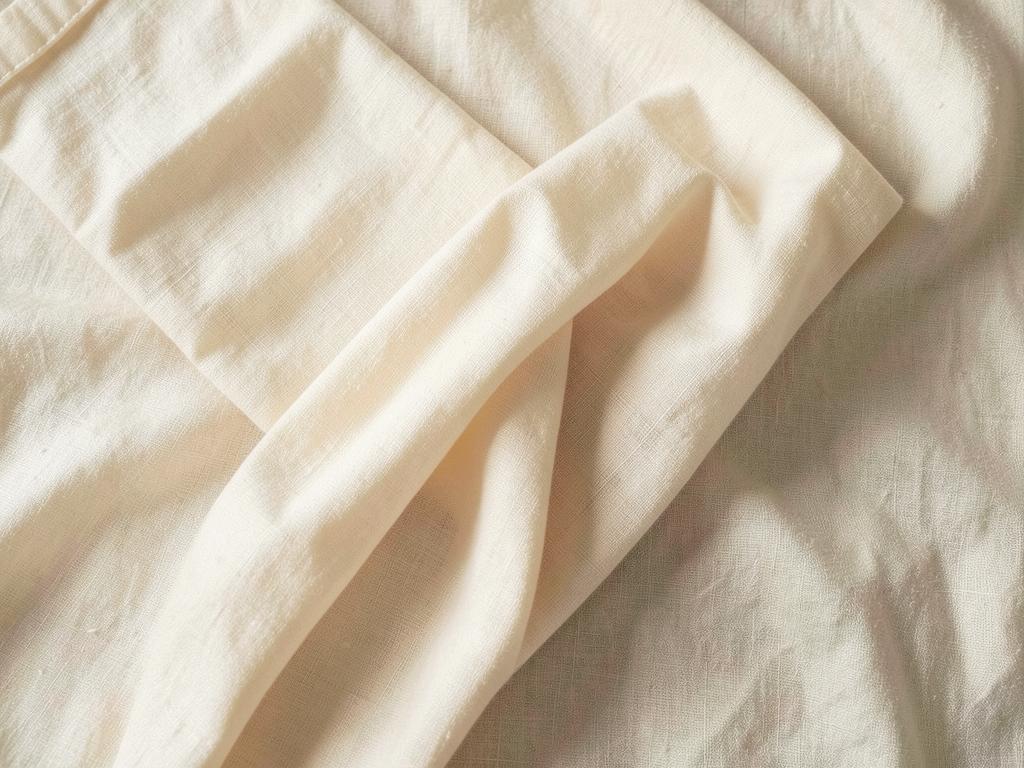
Ask whether a physical sample is available, what it costs and whether it represents the proposed bulk supply. Look at the fabric in ordinary lighting and examine its feel, drape, transparency and finishing. For performance requirements such as washing behaviour or colourfastness, ask what supporting information or testing is available; appearance alone cannot establish those properties.
Keep a record of the sample code and approval date. If you ask for a change, obtain a revised specification or sample approval rather than relying on a verbal understanding.
Check quantities and repeat availability
Ask whether the minimum applies per design, colour, catalogue or total order. Find out whether you must purchase a full set of colourways and whether mixed selections are possible. This helps you judge whether the order fits your customers and the amount of stock you can carry.
Discuss repeat orders separately. Ask which designs are currently available, which require production and what may change between batches. Treat a popular design as a replenishment option only after availability and lead time have been confirmed.
Confirm the full order before paying
Request a written summary covering quantities, prices, applicable taxes, packing, freight, payment stages and the dispatch estimate. Confirm how defects, shortages or an incorrect item should be reported and what evidence the supplier needs. Those terms should be agreed before the shipment, not worked out after a problem.
For your first purchase, consider a manageable selection that lets you learn which products your customers actually choose. Record what sells, what generates questions and what remains unsold. That record can make your next sourcing brief more precise.
- Save the final quotation and approved product details together.
- Confirm the delivery address and receiving contact.
- Agree how substitutions or delays will be communicated.