Product knowledge · 3 min read
Why two similar-looking sarees can have different prices
By Vidhi Fabrics · Buyer guides
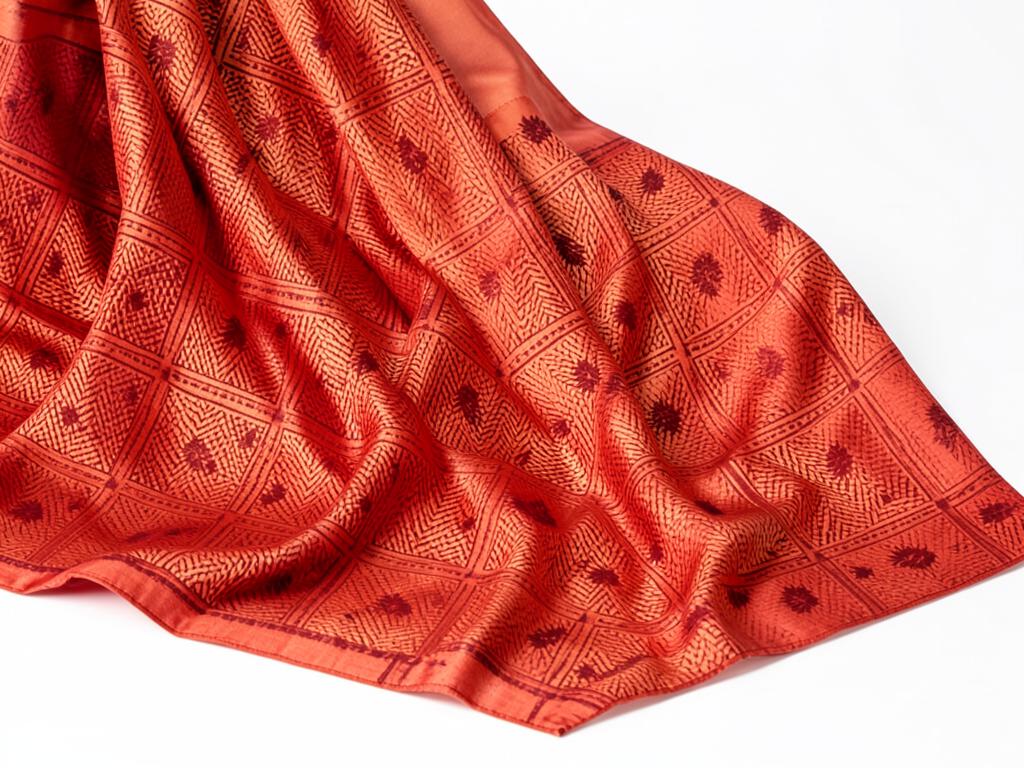
Two sarees can look close in a catalogue and still be different buying propositions. Rather than assuming the higher quote is better or the lower quote is a bargain, ask the supplier to explain the specification behind each price. Your goal is to compare the actual products and order terms. Here is a practical way to structure that conversation before choosing a range for your shop.
Compare the fabric description first
Ask for the stated fibre composition, construction and measurements of both products. Descriptive names and styling language are not a complete specification. If a particular fibre content is essential to your purchase, ask what documentation supports that description rather than drawing a conclusion from the shine or feel of a photograph.
Put the answers side by side. A useful comparison starts with equivalent information: the saree length and width, whether a blouse piece is included, and the details of any separate components. If a specification is missing, mark it as unknown and ask for clarification.
Look closely at the work and finishing
Request close-up photographs of the border, the body, the reverse and the areas carrying embellishment. Ask which elements are woven, printed, machine embroidered, hand finished or attached separately. Do not infer a production method solely from a product name. Ask the supplier to describe the work used in that particular item.
Where a sample is available, examine the edges, joins and finishing. Note any details your customers are likely to notice or ask about. The aim is to identify meaningful differences between the products, rather than judge the entire garment from one dramatic campaign image.
Check what the photograph is selling
A styled photograph may show a stitched blouse, jewellery, a belt or other accessories. Confirm what is included in the quoted product and what is only part of the styling. Ask whether the saree is supplied in the same form shown, or whether draping, stitching or alterations are separate.
Request a straightforward product video or additional images if the original presentation leaves details unclear. Where colour matching matters, discuss a physical reference or sample. Make a note of the supplier’s stated limitations before you make promises to your own customer.
Compare the commercial terms too
Make sure both quotations use the same quantity basis. One may refer to a single item while another depends on buying an entire catalogue or a larger assortment. Ask whether taxes, delivery and any customisation are included. Also confirm payment terms, dispatch estimates and the process for reporting a defective or incorrect item.
Availability matters to your buying decision. Ask whether the quoted item is in stock, made to order or dependent on a future batch. A price comparison is incomplete if one option cannot meet your required arrival date.
- Are quantities and included components comparable?
- Are the same costs included in both quotations?
- Are sample, delivery and issue-resolution terms clear?
Choose for the customer you actually serve
Once you understand the differences, decide which ones matter to your shop. Your customers may prioritise a particular look, a comfortable feel, easy styling or a familiar price range. Ask yourself which details you can explain honestly at the counter and whether the product fits the occasions your buyers shop for.
Save the specifications and your observations against the product code. After selling the range, add customer questions, feedback and reorder requests. Over time, this gives you a practical buying record and a stronger basis for discussing the next collection with your supplier.